
Snowboarding debuted at Nagano 1998 with four events: men’s and women’s giant slalom and halfpipe. In 2002, parallel giant slalom replaced giant slalom; cross, slopestyle, big air and mixed team cross followed. Milano Cortina 2026 had eleven events.
A snowboard can appear in a race through gates, a single jump or a sequence above walls of snow. Similar-looking equipment can be misleading: these are different ways to compete. Olympic history offers a simple map for understanding them, beginning with a programme that fitted into four boxes.
It was not the birth of snowboarding. The Snurfer, early companies and communities of riders have earlier histories. Nagano marked its entry as an Olympic sport and opened another route for audiences in many countries to recognise its athletes.
1998: two disciplines, four events
Nagano staged men’s and women’s giant slalom, alongside men’s and women’s halfpipe. Giant slalom belonged to the racing family; halfpipe, to judged events. That initial distinction remains a useful question when switching on a broadcast: will someone compete to finish first or to earn a score for a run?
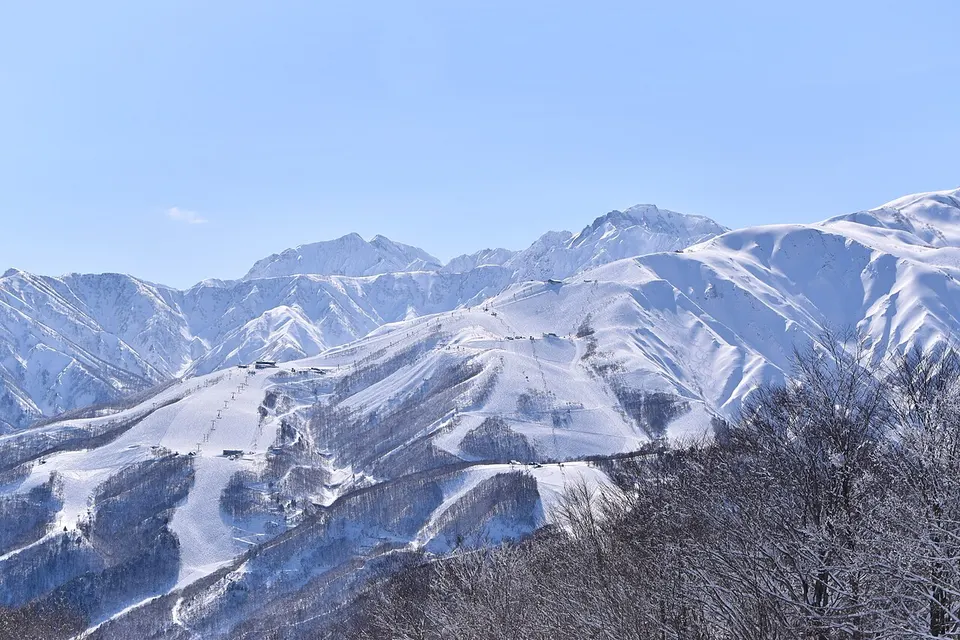
It also helps to separate the Olympic edition from its geography. Nagano names the Games, and Hakuba was one of the host communities. That does not mean every event, or all snowboarding in 1998, took place in Hakuba. When planning a history-focused visit, check the specific venue connected with the moment you want to explore.
The additions, step by step
The programme grew through additions and replacements. This timeline brings together the main changes through 2026; it should not be read as an automatic sum of every discipline that has ever appeared. Parallel slalom, for example, made a single Olympic appearance in 2014.
On small screens, you can swipe across the table.
| Edition | Programme change |
|---|---|
| Nagano 1998 | Debut with men’s and women’s giant slalom and halfpipe. |
| Salt Lake City 2002 | Parallel giant slalom replaces giant slalom; halfpipe continues. |
| Turin 2006 | Men’s and women’s snowboard cross debuts. |
| Sochi 2014 | Men’s and women’s slopestyle and parallel slalom join the programme. |
| PyeongChang 2018 | Men’s and women’s big air debuts; parallel slalom is no longer included. |
| Beijing 2022 | Mixed team snowboard cross is added. |
| Milano Cortina 2026 | Eleven events: five men’s, five women’s and one mixed. |
What to watch in each family of events
In parallel giant slalom, two racers compete on parallel courses during the elimination rounds. In cross, several riders share a course with jumps, turns and other features. To follow them, watch the starts, lines and finishing order; do not look for an artistic score at the end.
Halfpipe, slopestyle and big air are judged events. Halfpipe links tricks between two walls; slopestyle follows a sequence of features; big air focuses attention on one large jump. Execution and difficulty matter, but a result cannot be inferred just by counting rotations. Before watching a specific final, check its format and how runs are combined.
A history that helps you choose what to follow
With that vocabulary, Ledecká’s parallel giant slalom gold and Kim’s or Hirano’s halfpipe runs stop looking like variations of the same test. Each discipline presents a different challenge and requires specialisation. Choose whichever interests you most, follow its results and learn to watch more closely.
If this history takes you to Japan, the Hakuba Happo-One destination page linked below is a starting point for exploring Nagano as a snow destination. Check recreational terrain, lessons and any facility you want to visit separately. An Olympic past does not guarantee an open halfpipe, public access to a race course or an event on your travel dates.
Frequently asked questions
Did halfpipe enter the Olympics in 2002?
No. It was included from Nagano 1998. The change at Salt Lake City 2002 was replacing giant slalom with parallel giant slalom.
Do the eleven events in 2026 confirm the 2030 programme?
No. This article describes an edition that has already taken place. Any future addition or change requires specific confirmation for the relevant programme.
Sources and editorial approach
This guide draws on the linked sources. We distinguish historical facts, announced dates and conditions that need a current check. Confirm operations, access and services with the destination operator before booking.
- Canadian Olympic Committee: snowboard history and programme
- Australian Olympic Committee: snowboard disciplines
- Japanese Olympic Committee: Nagano 1998